
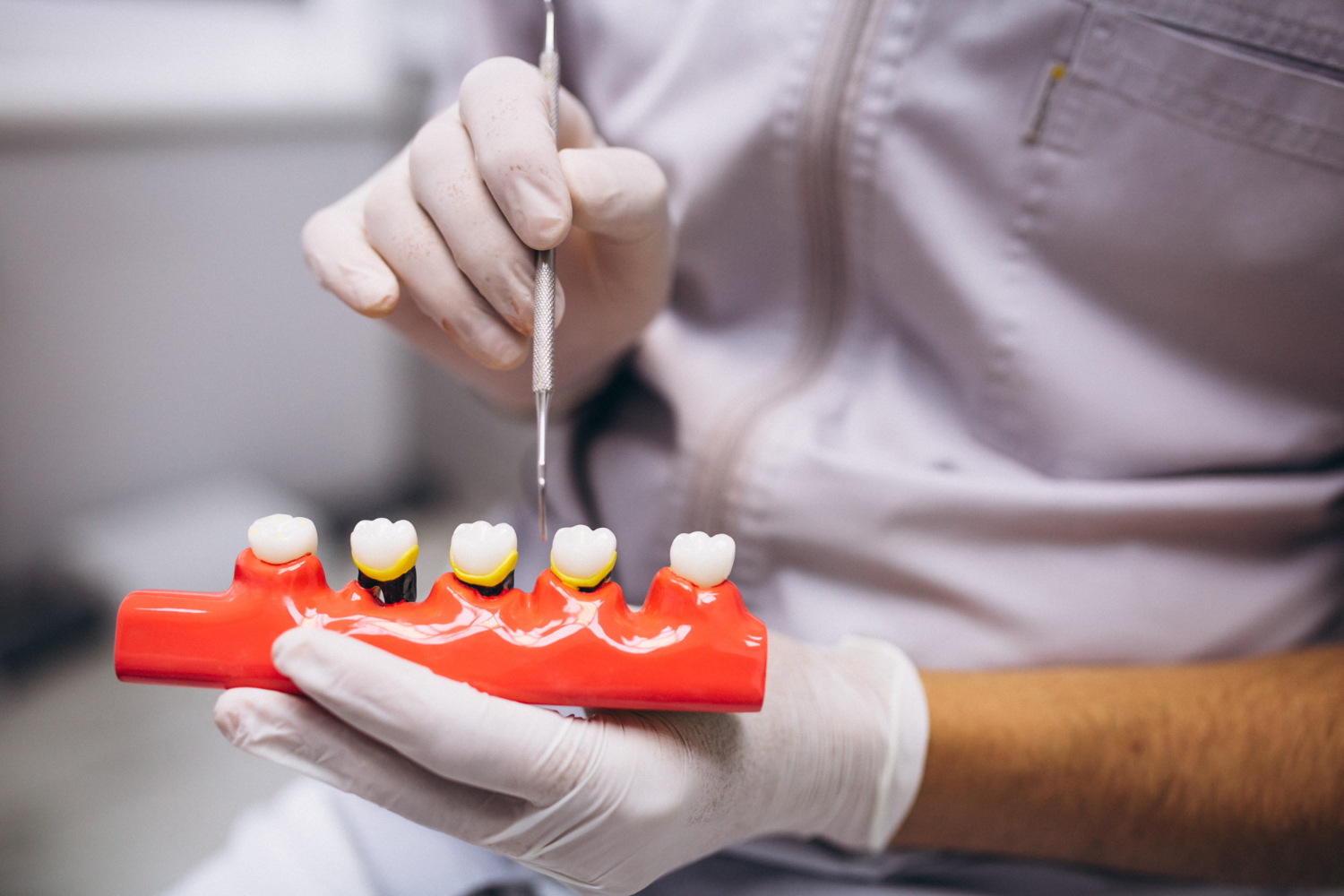
Tooth loss affects both function and appearance. It can change how a person eats, speaks, and smiles. Modern dentistry offers several solutions to replace missing teeth, including dental implants, bridges, and dentures. Each option has its place, but long-term performance often becomes the deciding factor. Patients today want results that last, and many turn to providers offering queens dental implants for solutions that feel stable and natural. They look for treatments that require less ongoing adjustment. Dental implants have gained attention because they address both stability and durability. Unlike traditional options, they are designed to integrate with the jawbone. Understanding how implants compare with bridges and dentures helps patients choose the most suitable solution.
How Dental Implants Work
Dental implants are placed directly into the jawbone. They act as artificial tooth roots that support a crown, bridge, or denture. This integration provides a stable foundation. It allows the replacement tooth to function like a natural one. Patients can bite and chew with confidence, without worrying about movement. The procedure involves several stages. First, the implant is placed. After healing, a connector and crown are added. This step-by-step process helps ensure proper alignment and strength.
Limitations of Bridges and Dentures
Traditional bridges rely on adjacent teeth for support. These teeth must often be reshaped to hold the bridge in place. This can weaken otherwise healthy teeth over time. Bridges also do not replace the tooth root. This can affect facial structure and overall oral health. Dentures, on the other hand, sit on top of the gums. They can replace multiple teeth, but they may not provide the same level of stability. Movement during eating or speaking is a common concern.
Long-Term Durability and Stability
Durability is one of the main advantages of dental implants. Because they fuse with the bone, they provide a level of stability that other options cannot match. This stability supports long-term function. Bridges typically last several years but may need replacement over time. Wear and tear, along with changes in supporting teeth, can affect their lifespan. Dentures also require periodic replacement or adjustment. Implants are designed to remain in place for decades. With proper oral hygiene and regular dental visits, they can maintain their function and appearance. This makes them a practical long-term solution.
Impact on Oral Health and Bone Preservation

One of the key benefits of implants is their effect on bone health. When a tooth is lost, the jawbone no longer receives stimulation from the root. This can lead to bone loss over time. Dental implants help prevent this process. By acting as artificial roots, they stimulate the bone and support its structure. This helps maintain facial shape and overall oral health. Bridges and dentures do not provide this benefit. Bone loss may continue even with these replacements. Over time, this can affect how the restorations fit and function.
Comfort, Function, and Daily Living
Comfort plays a major role in treatment choice. Dental implants feel more like natural teeth because they are fixed in place. Patients can eat a wide range of foods without concern. Speech is also more stable with implants. There is no shifting or slipping, which can sometimes occur with dentures. This improves confidence in social and professional settings. Bridges offer better stability than dentures, but they still rely on neighboring teeth. This can affect how force is distributed during chewing. Over time, it may place strain on those teeth.
Choosing the right tooth replacement option involves several factors. Durability, comfort, and long-term health all play important roles. While bridges and dentures remain valid solutions, dental implants offer clear advantages for many patients. Their ability to integrate with the jawbone supports stability and preserves bone structure. This helps maintain both function and appearance over time. Implants also reduce the need for ongoing adjustments, making them easier to manage in daily life. Patients looking for a lasting solution often consider implants as a reliable choice. With proper care, they can provide consistent results for many years. This makes them a strong option for those seeking both performance and longevity.